The loudspeaker position that changes a bass note
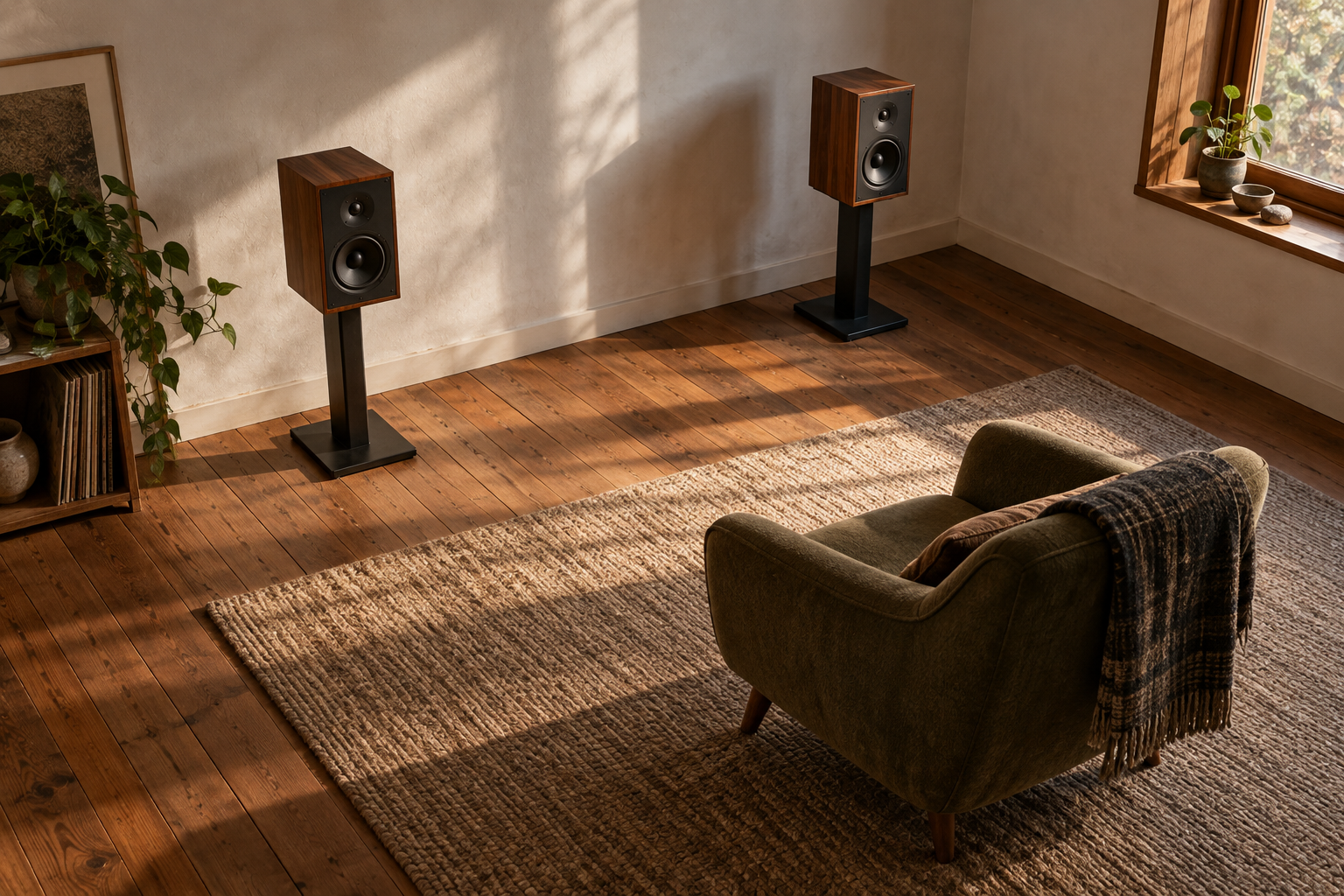
A bass note can change when a speaker or chair moves, because room modes and wall reflections alter what reaches the listener. The cure depends on which path caused the change.

About the author
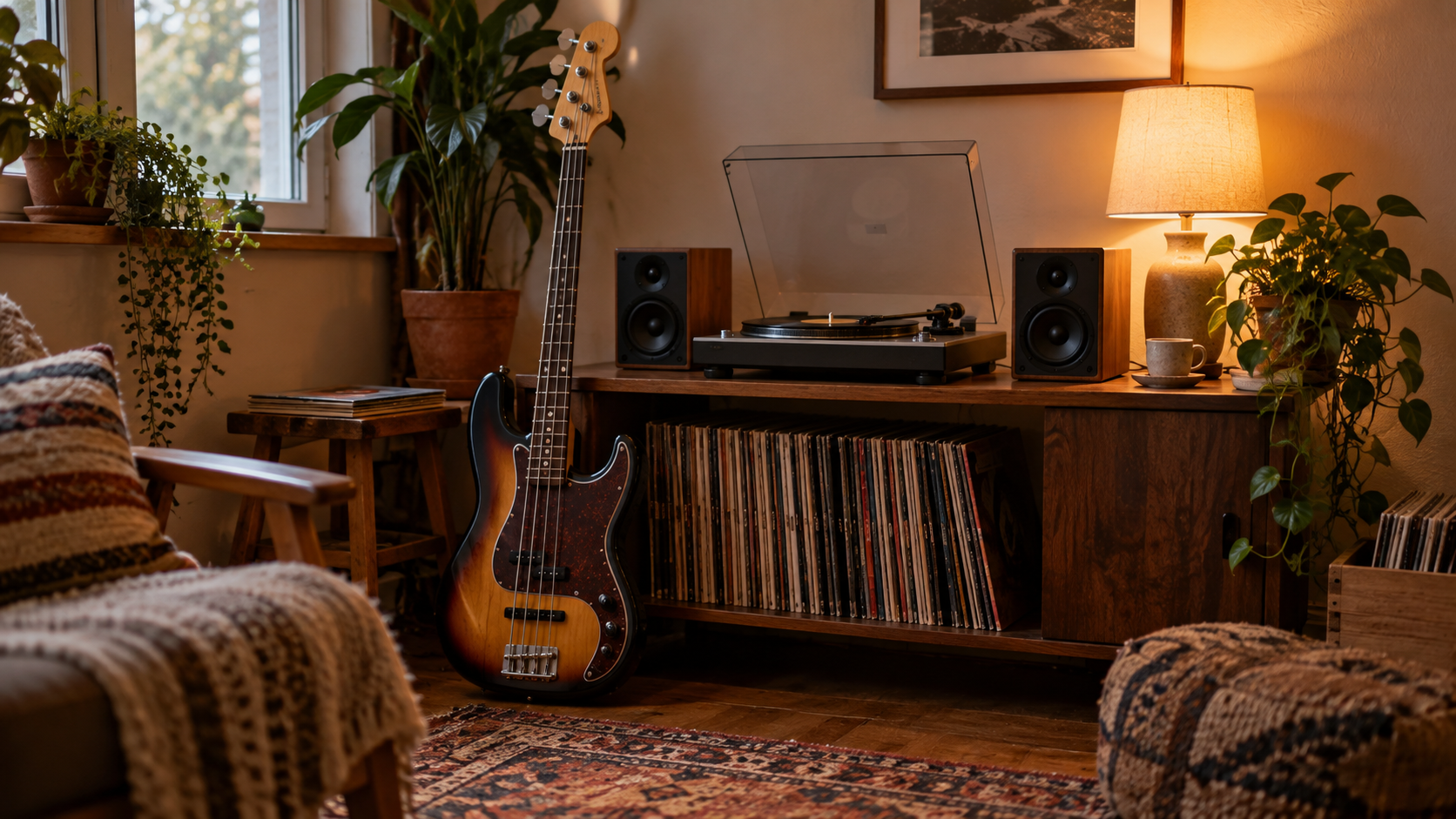
I live in Manchester, work in a public library and play bass with friends when everyone's schedules allow it. My interest in music moves between playing, reading sleeve notes and listening carefully to records I thought I already knew. I am more interested in how a piece feels in a room than in proving ownership of the right equipment.
Room for Listening collects essays on musical attention, arrangements, albums and domestic listening habits. I write about small discoveries: an overlooked bass line, a pause that changes a song, a sequence of tracks that makes sense only when heard together. I avoid treating enjoyment as a test that listeners can fail.
My listening room is also a living room, with books, laundry and a chair that has survived several attempts at tasteful rearrangement. Outside music I enjoy cooking, old films and conversations that begin with one song and end somewhere entirely different.
A bass note can change when a speaker or chair moves, because room modes and wall reflections alter what reaches the listener. The cure depends on which path caused the change.
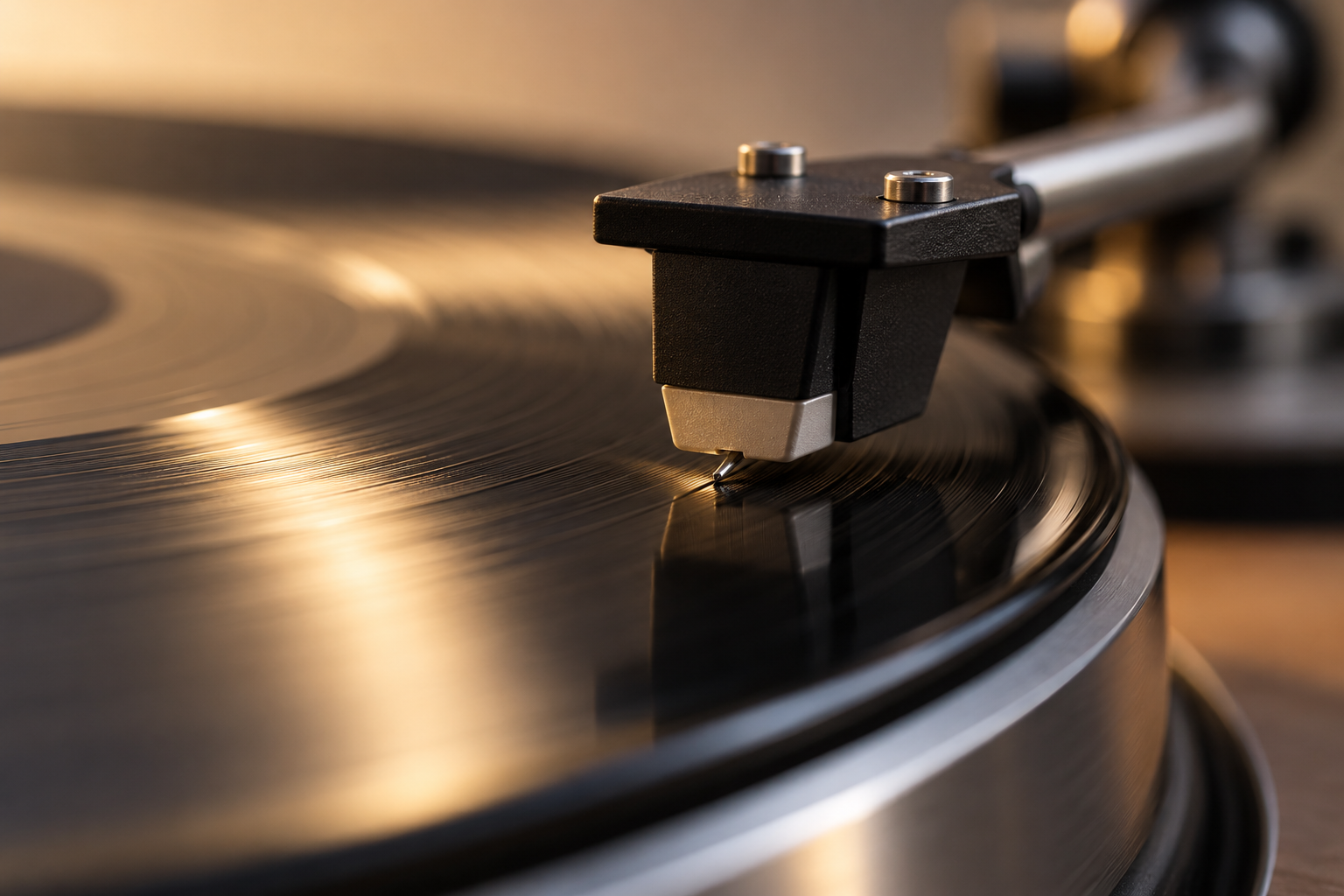
A record groove is a moving, modulated surface, not a line of printed notes. The stylus meets two walls, the limits of its own shape, and whatever wear or dust playback has left there.
The speakers were positioned with great care. The cables had been discussed. The chair had moved several times. We played a track I knew well, and halfway through I realized I had been talking about
I sat down to hear an album and discovered I was also checking a message, reading a headline and deciding whether a photograph deserved a response. The album became the sound accompanying several other activities.